Million Casino Login In France

In France, Million Casino allows adult players to manage access, deposits and limits according to applicable rules, in 2026.

Fortune Gems 2 Slot

Table of Contents

  • The Dog House Megaways Slot
  • Lucky Joker 10 Extra Gifts Slot
  • Sword of Ares Slot
  • Floating Dragon Hold & Spin Slot
  • Leprechaun Riches Slot
  • Fruit Cocktail Slot
  • The Dog House Megaways Slot
  • Sword of Ares Slot
  • Fruit Million Slot
  • The Dog House Megaways Slot
  • Fruit Box Slot
  • Big Fisherman Slot
  • Seven Books Unlimited Slot
  • Million Casino Fortune Slot
  • Sword of Ares Slot
  • Floating Dragon Hold & Spin Slot
  • 9 Mad Hats Slot
  • Floating Dragon Hold & Spin Slot
  • Big Bass Splash Slot

Million Casino Login: Connection And First Check

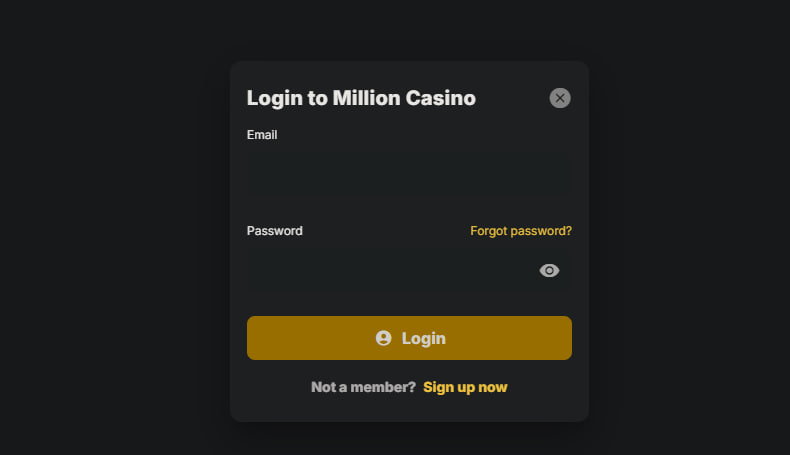
Imagine you have a ten-minute break, you open the login page, and nothing goes as planned: password rejected, screen reloading, impatience rising. In that moment, the best decision is not to try "randomly", but to return to a method. Open a single session, check your keyboard, then proceed step by step.

Login 1

Start by reducing the variables: one device, one browser, a stable connection. Many blockages come from a silly detail - a changed keyboard language, a copied space, an outdated saved address. If you fix these small things first, you avoid the scenario where you keep trying and trigger a temporary lockout.

Password, Browser, and Device: Avoiding Pitfalls

If you change devices often, errors happen faster than you think. Imagine your phone offers autofill and you confirm without looking: you just logged in with an old identifier, and you spend ten minutes figuring out why "it's not working." Do the opposite: type deliberately, slowly, especially during the first login.

Next, check the environment. An overly aggressive blocker, misconfigured privacy extensions, or a saturated browser can disrupt the display. Try a clean window, disable what breaks the pages, and try again just once. The idea is not to tinker, but to return to a simple situation that allows you to identify the cause.

Forgotten Access: Stress-Free Recovery

Did you forget your password? It happens, especially if you keep unique identifiers, which is a good habit. Imagine you're in a hurry and try three combinations: the pressure mounts, and your attempts become less reliable. Use the guided recovery, perform a single clean reset, then log in once to check that everything is stable.
Registration and Profile: Laying a Solid Foundation

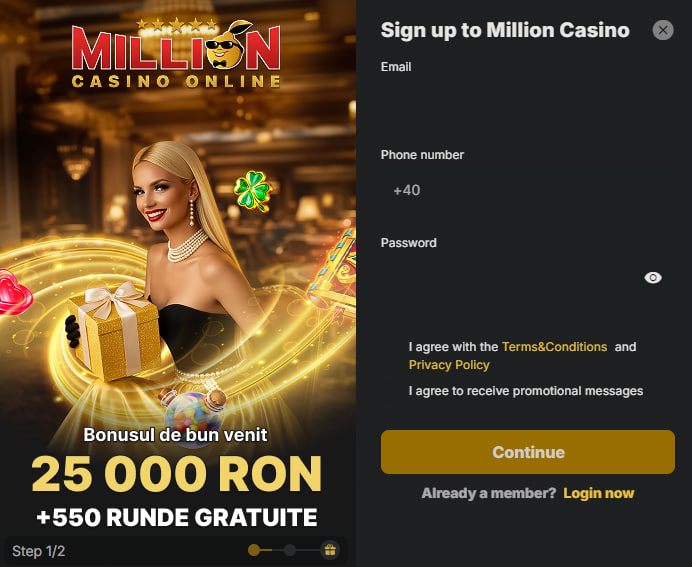
Creating an account might seem routine, but it's where you decide how you play. Imagine signing up in two minutes, then later not finding where to set your limits: you're playing "by instinct," and instinct isn't always your friend. Take a moment to lay clear foundations, especially if you're playing after a busy day.

Login 2

Keep your contact details up to date. An address you no longer check or an old number turn a normal confirmation into a painful problem. In France, access to this type of service is aimed at major players, so these checks are part of the framework: it's better to anticipate them than to endure them.

Checks and Information Consistency

Identity checks often happen when you don't want to be interrupted. Imagine a quiet evening: you initiate a sensitive operation, and an extra step appears. If your information is already consistent and your documents are ready, it's just a short detour. If your data is incomplete, it becomes a frustrating wait.

To limit friction, be consistent: same information throughout the profile, readable files, single submission. Avoid resending multiple versions "to see" - this creates confusion. If a point is unclear, contact support with a specific question before multiplying attempts.

Cashier And Payments: Deposits, Withdrawals, Tracking

The cashier is where impatience costs the most. Imagine confirming a deposit during a conversation, the screen reloads, and you no longer know if the action went through: the temptation is to start over. In that moment, stop the reflex. Your best tool is tracking movements, not double-clicking.

Login 3

Choose a method you know, then keep it stable. Before any operation, reread the final screen as if you were signing, then check the history: if the request is recorded, you don't need to guess.

Element To Check

Why It Matters

Good reflex before validation

What You Gain

Payment Method

Reduces errors and backtracking

Sticking to 1-2 usual options

Less confusion

Amount And Currency

Avoids impulsive confirmations

Calmly rereading the final screen

No duplicate

Movement History

Shows the real status

Check after each action

Clear tracking

Account Details

Facilitates confirmations

Update before an operation

Fewer interruptions

Personal Limits

Protects budget and time

Settle before adding funds

Clearer sessions

Withdrawals require composure. Imagine checking every minute: you get stressed, and you waste your evening waiting. Do the opposite: make a request, check the history, then let the process run its course. If an additional step is requested, send it once, cleanly, and keep a record of what you have transmitted.

Games and Discovery: Test Without Rushing

The best way to evaluate a platform is not to launch ten random games, but to observe your own pace. Imagine browsing quickly, clicking everywhere, and in the end not even knowing what you liked: you consumed, you didn't choose. Take another path: select a category, test for a few minutes, then return to the menu with a simple question: "Am I in control?"

In 2026, discovery is mainly about understanding what suits you: fast or slower games, busy or minimalist interfaces, silent or sound sessions. The goal is not to try everything, but to identify what helps you stay calm.

Choosing a Game: Filters and Screen Reading

Imagine looking for "a simple game", launching the first visible option, and finding yourself lost in unread rules. Before starting, look at the screen: where is the key information, how do you return to the menu, and what each button changes. If you don't know how to go back, you are already playing under constraint.

Use filters to narrow down the choice, test, then broaden. This approach avoids decision fatigue, the kind that pushes you to click quickly just to "get it over with".

Session Pace: Breaks and Self-Control

Pace often degrades silently. Imagine being tired, clicking faster to "speed up", then realizing you're not reading anything anymore. This is where breaks become useful, even short ones. Set a time reminder, take a regular break, and if annoyance builds, use a timeout.

If you need a longer break, self-exclusion exists to create a clear distance. These are tools designed for adult players, not punishments.

Promotions: Read the Terms with a Cool Head

An offer can be interesting, but it can also push you to play longer than expected. Imagine activating a promotion "by reflex", then staying logged in just to "make it worthwhile": you are no longer choosing, you are following pressure. Read before activating, and ask yourself if it matches your normal pace.

Mobile and Notifications: Play Without Exposing Yourself

On mobile, everything is faster, and that's precisely the danger. Imagine opening the platform while commuting, the connection dropping, then returning: you lose track and multiply actions. To avoid this, use mobile for short, well-defined sessions, not for improvising.

Also think about privacy: screen lock, discreet notifications, complete logout on shared devices. These details prevent a "defensive" experience.

On-the-Go Session: A Short Routine That Holds

Imagine telling yourself, “I’m just checking my balance,” and ending up playing for twenty minutes because it was easy. A simple routine prevents this drift: log in, check limits, play a small block if you wish, then log out cleanly. A time reminder helps a lot, especially when fatigue or boredom pushes you to speed up.

Also keep a clear principle: important operations should be done on a stable connection and in a quiet place. When mobile, stick to light actions, so you don't find yourself managing a problem at the wrong time.

Public Wi-Fi: What to Avoid

Public networks create surprises. Imagine starting a sensitive operation and the connection degrades: you feel like it’s “stuck,” then you try again, and confusion sets in. On a public network, limit yourself to the minimum and save important actions for later.

Support and Troubleshooting: Solving Without Getting Worn Out

Support is more effective when you come with facts. Imagine writing a vague message and waiting: you’ll receive questions, then more, and you’ll lose patience. Before writing, do a clean diagnosis (network, private window, keyboard language), then describe the precise step where you are stuck.

There’s also a mental aspect. Imagine you’re already annoyed and trying to force a solution: you click faster, read less, and create new errors. Take a short break, then calmly resume. This is often the difference between “resolved” and “a wasted evening.”

Effective Message: The Details That Save Time

Imagine contacting support from your phone, angry, and writing three vague lines. The response will inevitably be slow because no one knows where to start. Instead, send a mini-report: device, browser, connection type, exact step, and what you’ve already tried.

If the issue concerns an operation, add context: amount, method, and status visible in the history. The more factual you are, the more direct the response.

Responsible Gaming Habits: True Comfort

Comfort comes mainly from what you do, not what the platform promises. Imagine an evening when you feel tired: you want simple entertainment, and you can slip into a session that’s too long just because “it’s there.” Protect yourself with a framework: a budget, a time limit, and a clear stop.

In 2026, the adult approach is to practice stopping. Add realistic limits, use breaks when you feel yourself going on autopilot, and keep self-exclusion as an option when you need real distance. These are practical tools, not just words.

Frequently Asked Questions

Imagine you’re in a hurry and try multiple combinations: you end up doubting everything, even what was correct. The best reflex is to stop trying, then use the guided recovery just once, cleanly. Then, log back in and check your details, so you receive confirmations without stress. To avoid reliving the same scenario, choose a unique password and keep it in a manager on your personal device, rather than in scattered notes.

This often happens when you perform a sensitive action or when you change devices. Imagine switching from your desktop to mobile and immediately starting an important operation: an extra step might be triggered. The best strategy is to anticipate by completing your profile when you’re calm and keeping your information consistent. If a document is requested, send a single, legible version, then wait for a response instead of trying multiple times.

The classic scenario is simple: the screen reloads, you don’t see a confirmation, and you try again. To avoid this, reread the final screen before confirming, then check the status in your transaction history. Choose a familiar payment method and stick with it, as changing too often creates confusion. If the connection is unstable or you’re distracted, postpone the operation; that’s often the best decision.

Imagine opening the platform for “just two minutes” while commuting, only to end up playing much longer than intended. A short routine prevents this drift: log in, check limits, play a small block, then log out. A time reminder helps a lot, especially when fatigue or boredom pushes you to speed up. If you feel yourself going on autopilot, a short break is better than a prolonged session without making a choice.

A vague message leads to follow-up questions, thus delays. Imagine writing “it’s not working” without specifying the step: no one can guess. Instead, send a mini-report: device, browser, connection type, approximate time, and what you see on the screen. Add what you’ve already tried, like changing networks or using a private window, and you’ll get a more direct, more helpful response.

The clearest sign is a change in pace. Imagine clicking faster, reading less, and playing just to “pass the time” or to change your mood. In this case, a break is the right decision, even if you tell yourself you could continue. Set realistic limits, respect a clear stop, and use a timeout when frustration sets in. Playing responsibly means primarily staying in control of ending your session.